Virginia Tech · School of Animal Sciences
Reproductive and Developmental Systems Genomics
We study the molecular basis of fertility and early development in cattle: how oocytes become competent, how a single cell builds an embryo, and how that embryo talks to the uterus.
Research areas
What we study
-
01
Molecular profiling of heifer infertility
Blood-borne molecular signatures that predict fertility in beef and dairy heifers.
Read more -
02
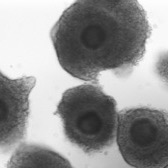
The acquisition of developmental competence in oocytes
How the RNA an oocyte stores defines its ability to be fertilized and sustain an embryo.
Read more -
03
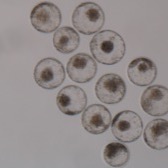
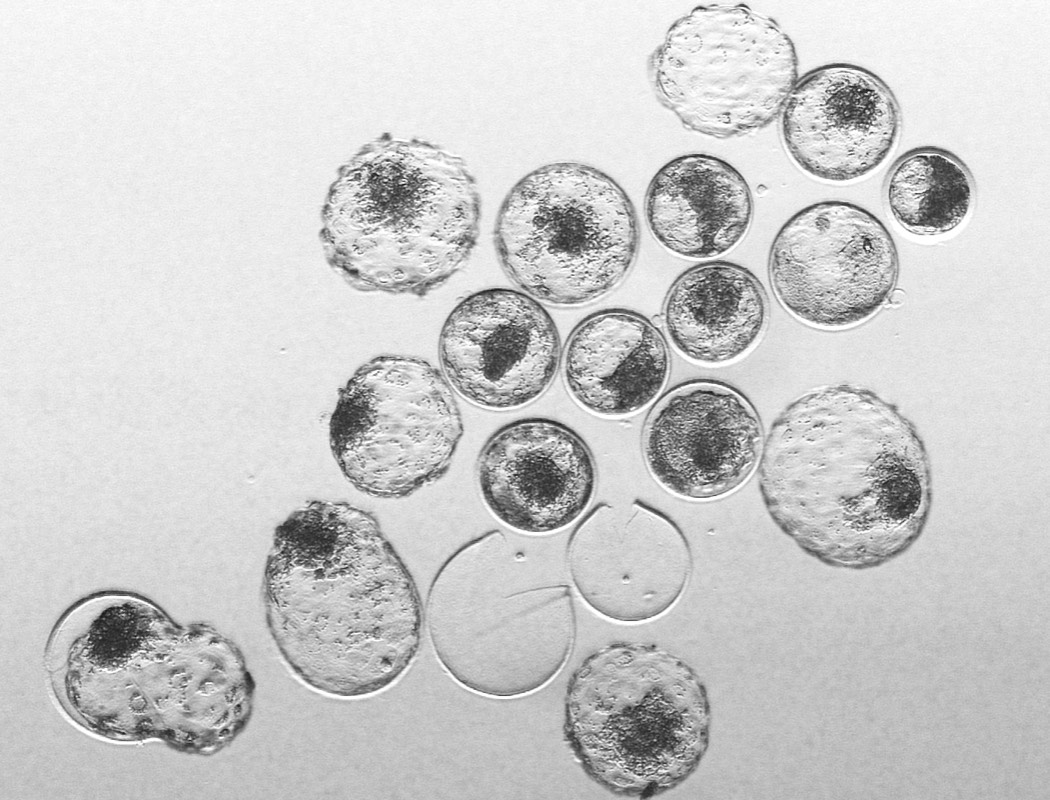
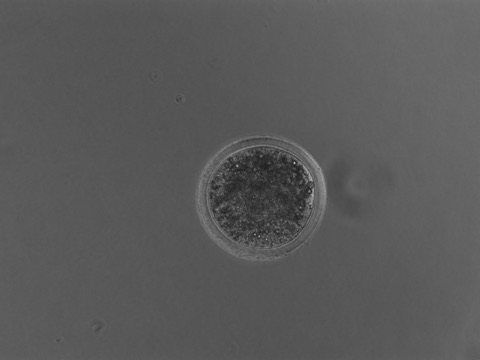
Early stages of mammalian development
The gene regulatory networks that carry a zygote to the blastocyst stage.
Read more -
04
Conceptus-maternal communication
The two-way molecular dialogue between the conceptus and the endometrium.
Read more
Why our research matters
Most pregnancies that fail in cattle are lost early: many before the embryo forms a blastocyst, and many more in the following weeks, before pregnancy is established. Together with heifers that never become pregnant, these losses reduce the profitability and sustainability of the cattle industry. Each line of our research addresses one of these windows.
- Before breeding ~15% of beef heifers, and ~5% of dairy heifers, are infertile or sub-fertile
- Days 1 to 8 ~27% of embryos in cattle do not develop past day 8, the blastocyst stage
- Days 8 to 27 ~28% of pregnancies in cattle are lost during conceptus elongation and maternal recognition of pregnancy
Recent work
Latest publications
- Systematic evaluation of integration methods and parameters on single-cell RNA-sequencing biological insights: a case study on cattle embryos
- Frozen media preserves blastocyst development and quality in cattle embryos produced in vitro: a six-month evaluation
- Altered microRNA composition in the uterine lumen fluid in cattle (Bos taurus) pregnancies initiated by artificial insemination or transfer of an in vitro produced embryo
- Identification of novel cattle (Bos taurus) genes and biological insights of their function in pre-implantation embryo development
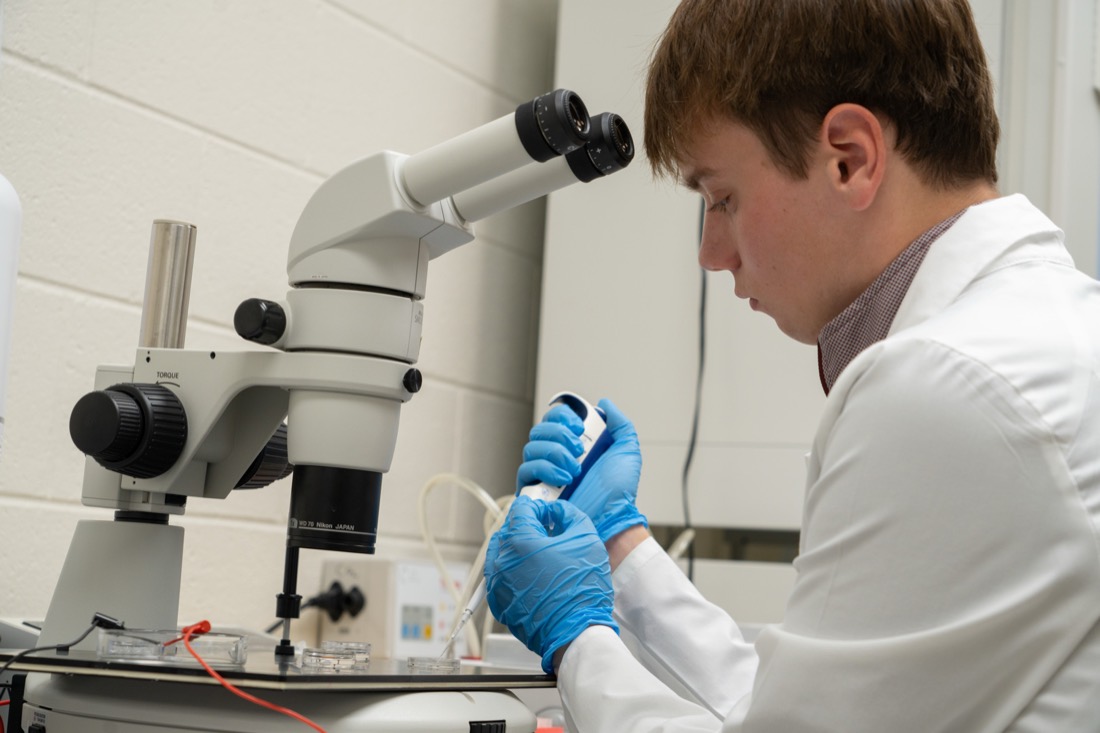
In the news · February 20, 2024
Researching the genes that affect cell development
Virginia Tech News highlights our work on the early stages of embryo development using CRISPR-Cas technology. Dr. Fernando Biase and his student are conducting CRISPR-Cas gene editing research in cattle embryos to better understand the factors that affect development. Students in the lab gain hands-on research experience.
Our research program is partially funded by
- United States Department of Agriculture
- Virginia Cattle Industry Board
Interested in joining the lab?
We welcome enthusiastic, goal-oriented researchers in reproductive and developmental biology, molecular genetics, genomics and computational biology.