
Research
From oocyte to pregnancy
Four connected lines of work on fertility, oocyte competence, early development and implantation.
Our mission is to understand the molecular mechanisms that drive fertility and the early stages of embryo development and implantation in mammals. We combine experimental and systems genomics approaches to understand the dynamics of the gene regulatory and signaling networks that orchestrate fertility, and what goes wrong in infertility.
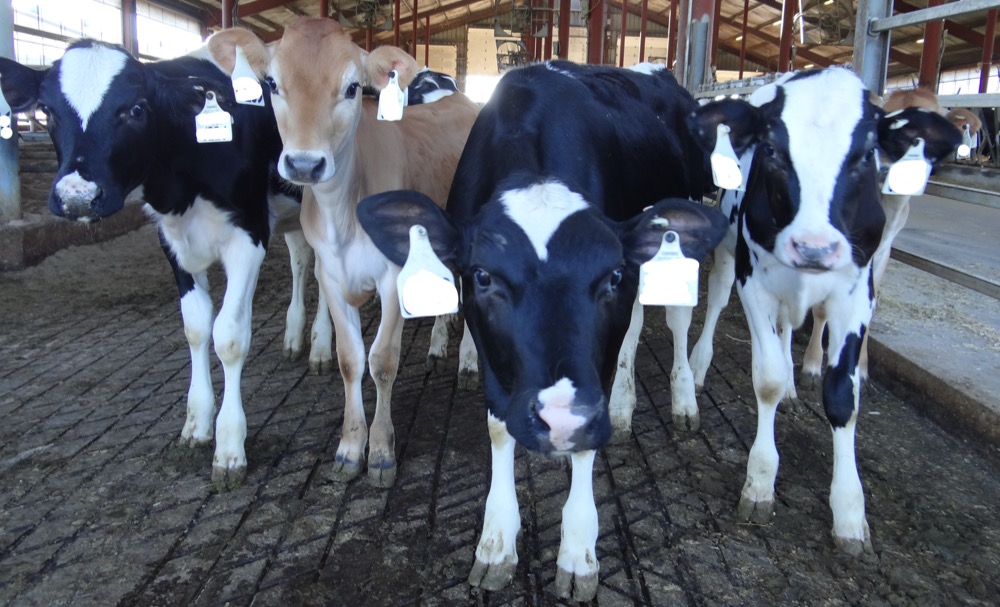
Molecular profiling of heifer infertility
Infertility has several causes. In the Biase Lab, we are tackling the problem in beef and dairy heifers. Our multidisciplinary program profiles blood-borne molecules to investigate the genetic and physiological alterations that contribute to infertility.
We then employ artificial intelligence algorithms to predict fertility in heifers as early as 6 months of age.
The acquisition of developmental competence in oocytes
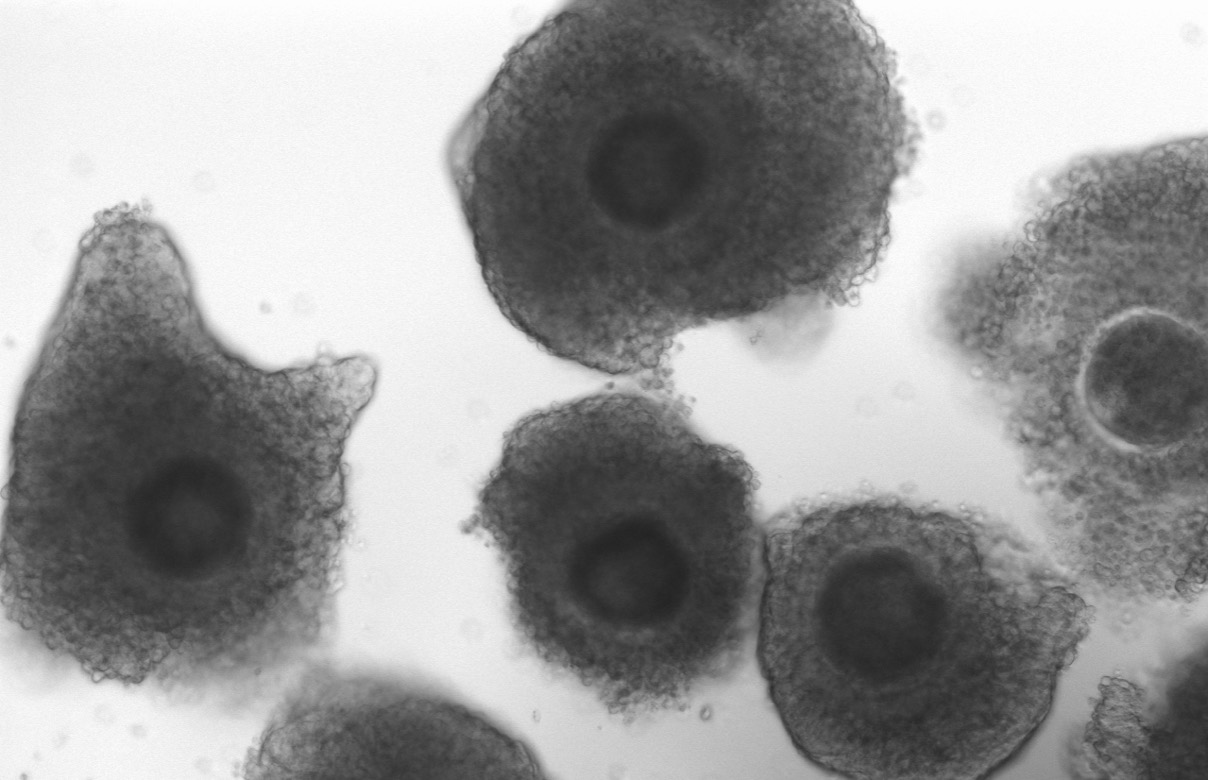
The female gamete stores massive amounts of RNAs, proteins and metabolites. The qualitative and quantitative composition of these stores defines the ability of the oocyte to be fertilized and to sustain early embryo development.
We are interested in the regulatory mechanisms that drive the synthesis of RNA in oocytes, and in how the accumulation of RNAs contributes to oocyte developmental competence.
Early stages of mammalian development
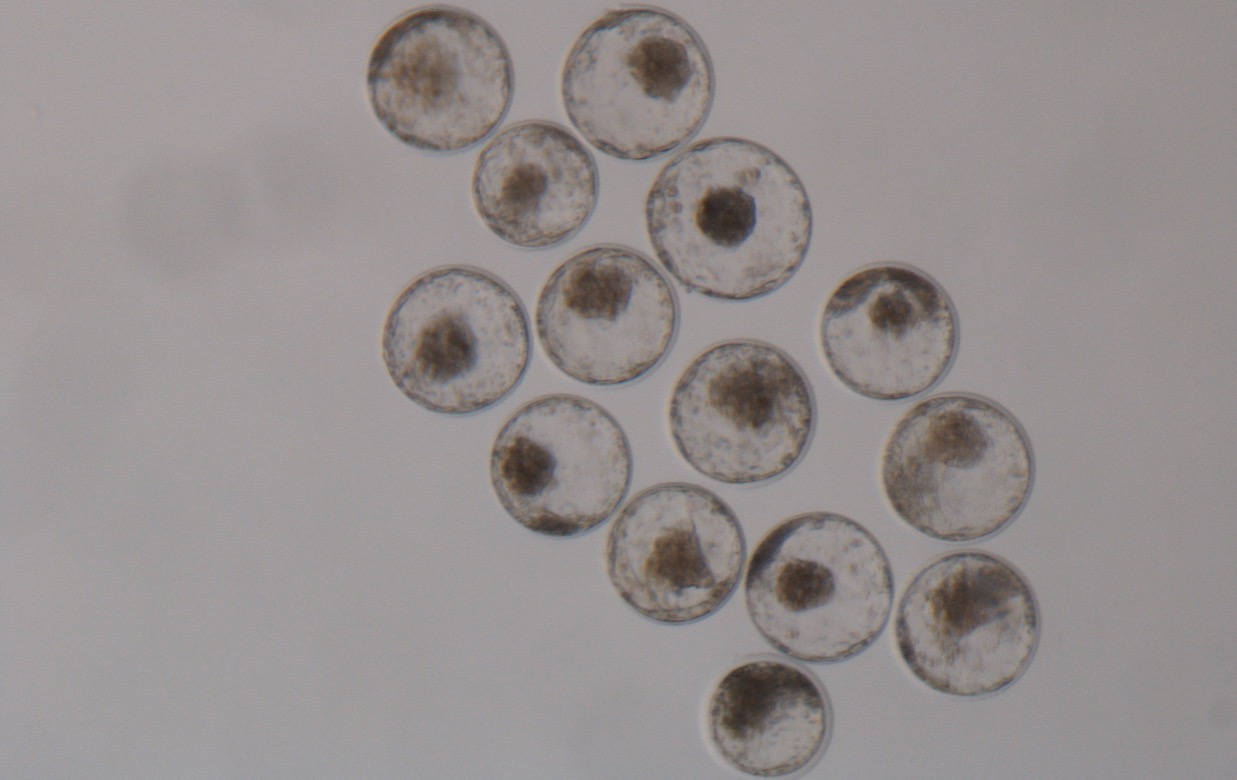
The first cell cycles of a mammalian organism are an intriguing, and amazing, phase of development. How a complex multicellular organism develops from one cell, the zygote, is far from understood.
We study the wiring of the gene regulatory networks that allow the embryo to reach the blastocyst stage. We want to understand how the embryo's genome is activated, and we investigate the genetic and molecular features that lead to early embryonic developmental arrest.
Conceptus-maternal communication
After the blastocyst forms, the embryo hatches from the zona pellucida and the embryonic cells come into immediate contact with the endometrial cells of the uterus. A two-way molecular communication then takes place, so that the embryo is not rejected by the endometrium and is nourished by the uterus.
This communication is essential for successful implantation and subsequent placentation. We are interested in finding the multitude of pathways the conceptus uses to communicate with the endometrium, and vice versa.
Support
Funding
Our research program is partially funded by:
United States Department of Agriculture
- NIFA 2027-67015-47496Systems Biology Approach to Understanding Conceptus-Endometrial Interactions for Reduced Early Pregnancy Loss in Cattle
- NIFA 2024-38420-41540Bridging Genomes to Phenomes: Fostering interdisciplinary expertise to advance animal production
- NIFA 2020-67015-31616Identification of gene expression profiles in peripheral white blood cells predictive of heifer pregnancy success
Virginia Cattle Industry Board
- Genetic Variants That Cause Embryonic Death
Interested in joining the lab?
We welcome enthusiastic, goal-oriented researchers in reproductive and developmental biology, molecular genetics, genomics and computational biology.